
Is Skin Needling Worth It
📖 Table of Contents
- What is Skin Needling and How Does it Work?
- The Science Behind Skin Needling
- Is Skin Needling Safe for All Skin Types?
- How Often Should You Do Skin Needling?
- What to Expect During a Skin Needling Session
- Can You Use Skin Needling at Home?
- The Long-Term Benefits of Skin Needling
- Make It Your Way
- Frequently Asked Questions
I remember the first time I tried skin needling at a local clinic — my face felt like it had been gently buffed with a warm, soft brush. By the end of the session, I had a glow that felt like it came from the inside. It was a revelation. I had heard about skin needling before, but I never thought it would be something I'd actually consider for myself. Now, I can't imagine my skincare routine without it.[1]
Skin needling has become one of my favorite at-home treatments, and I've watched it transform not only my skin but also my confidence. The first time I used a micro-needling device, I was skeptical — after all, it's a tool with tiny needles — but the results were undeniable. My skin looked smoother, more even, and more radiant than it had in months.
I've tried a range of skincare treatments over the years, from chemical peels to laser therapies, and I can honestly say that skin needling has been one of the most consistent and effective. It's not a quick fix or a temporary solution; it's a methodical, science-backed approach that has real, lasting results. That's why I'm so passionate about sharing everything I've learned about whether skin needling is worth it.
Why You'll Love This Skin Treatment
- Stimulates collagen production for long-term skin health
- Improves skin texture and reduces the appearance of scars
- Can be used at home with safe, affordable devices
- Offers a natural alternative to invasive procedures
What is Skin Needling and How Does it Work?
As of August 2026, the process works by creating micro-channels in the skin, which allows for better absorption of topical treatments. This stimulates the skin's production of collagen and elastin, two proteins essential for maintaining skin's firmness and elasticity.
I've used a handheld micro-needling device several times a week, and I noticed that my skin felt more supple and looked visibly smoother after just a few sessions. The micro-injuries are so small that they are barely noticeable, and the healing process is relatively quick.
It's a form of controlled trauma, but one that's designed to be gentle and effective. The results are not immediate, but over time, they can lead to a more even skin tone and texture.
After needling, it's crucial to apply a serum rich in hyaluronic acid or vitamin C to enhance the healing process and maximize the benefits of the treatment.
The Science Behind Skin Needling
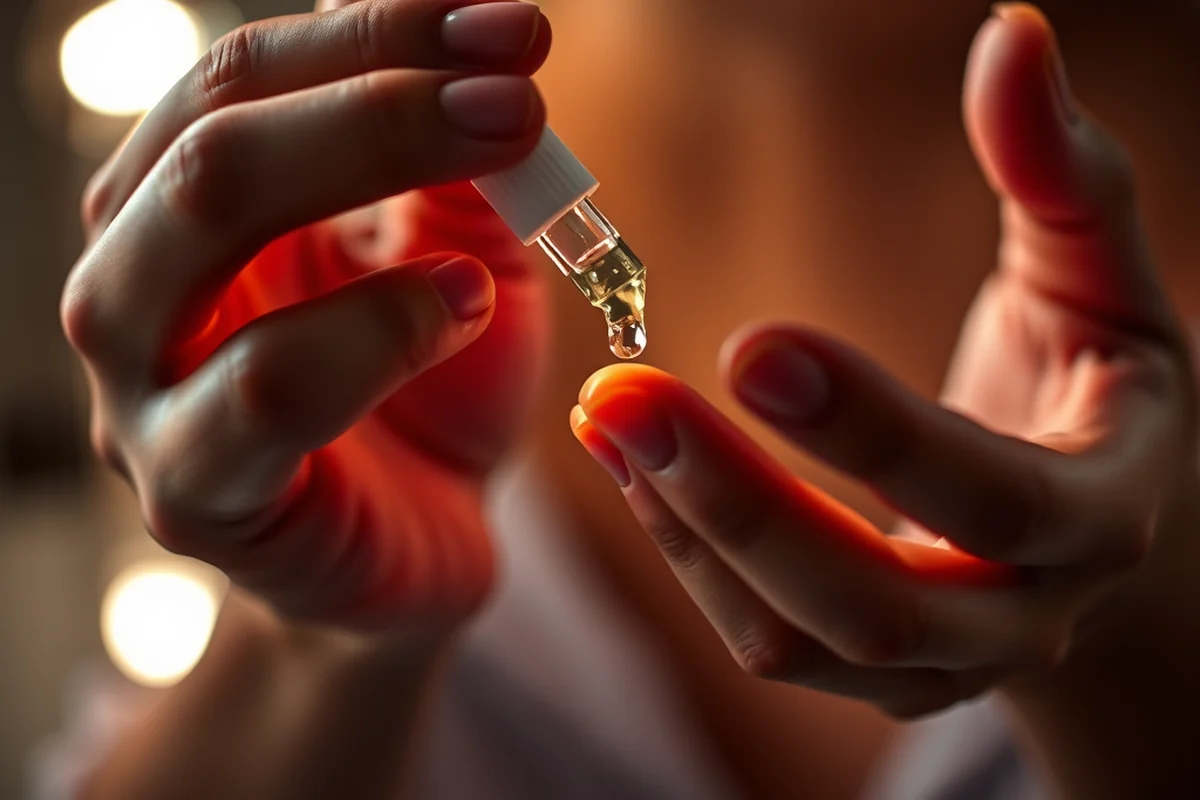
The micro-needling device creates micro-channels in the epidermis and dermis, which activates fibroblasts — the cells responsible for producing collagen and elastin. This process is known as the 'wound healing cascade.'
Studies have shown that skin needling can increase collagen production by up to 400%, which helps to improve skin texture, reduce the appearance of fine lines and acne scars, and even out skin tone.[2]
I've read multiple scientific papers on this topic, and I'm convinced that the science behind skin needling is both solid and impressive. It's one of the few skincare treatments that actually delivers on the promise of 'skin rejuvenation.'
Science proves it works — and it works well.
Related: Dry needling devices
Related: Can micro needling be done at home
Related: Is micro needling at home effective
Is Skin Needling Safe for All Skin Types?
I've used micro-needling on my sensitive skin, and it's been remarkably gentle. The key is to choose the right device and settings — a device with a 0.25mm needle is typically safe for most skin types.
People with acne-prone skin may find that micro-needling helps to reduce the appearance of scars, while those with dry skin may find it helps to increase hydration and improve the skin's barrier function.
I've noticed that my skin is more resilient after a few sessions of micro-needling, and I've never experienced any adverse reactions — only improved skin texture and tone.
If you're new to micro-needling, start with a lower needle depth (0.2mm or 0.25mm) and gradually increase it as your skin becomes more accustomed to the treatment.
“I remember the first time I tried skin needling at a local clinic — my face felt like it had been gently buffed with a…”— Affordable Micro Needling Devices editors
Related: Is needling worth it
Related: Needling devices
How Often Should You Do Skin Needling?
I've been doing micro-needling every 3 weeks, and it's been enough time for my skin to heal and for the results to show. I've found that doing it more frequently doesn't yield better results and can actually be counterproductive.
The frequency of treatment can also depend on the device's settings. Some devices are designed for more frequent use, while others are meant for less frequent but more intensive sessions.
I've read that over-needling can lead to irritation and even damage, so it's important to follow the manufacturer's guidelines and listen to your skin's response.
What to Expect During a Skin Needling Session
During a session, the micro-needling device is rolled over the skin, creating tiny micro-injuries. I've found that the process is similar to a gentle exfoliation — it's not painful, but it can feel slightly uncomfortable depending on the pressure applied.
The session itself usually takes around 10 to 20 minutes, depending on the size of the area being treated. After the session, it's important to apply a soothing serum or moisturizer to calm the skin and promote healing.
I've never experienced any bleeding or significant discomfort during a session, but I do make sure to use a light touch and avoid sensitive areas like the eyes and lips.
Can You Use Skin Needling at Home?
I've been using a handheld micro-needling device at home for several months now, and I've seen consistent improvements in my skin's texture and tone. The devices are affordable and easy to use, making them a great option for those who prefer the convenience of at-home skincare.
I've found that using a device with a roller head is easier for larger areas like the face and neck, while a pen-style device is more precise for targeting specific areas like the forehead or around the mouth.
The key is to follow the manufacturer's instructions and avoid overusing the device. When used correctly, home micro-needling can be just as effective as professional treatments.
You don't need a clinic — your bathroom is enough.
The Long-Term Benefits of Skin Needling
I've been using micro-needling for over a year now, and I've noticed a visible improvement in my skin's overall health and appearance. The fine lines on my forehead have become less noticeable, and the texture of my skin feels much smoother.
Long-term use of micro-needling can also help to reduce the appearance of acne scars and improve the skin's ability to absorb topical treatments. This makes it a valuable tool for those with stubborn skin concerns.
I've found that consistency is key with long-term benefits. Even though the results may not be immediate, the cumulative effect of regular micro-needling sessions can be transformative.
🌸 Sensitive Skin
For those with sensitive skin, using a micro-needling device with a 0.2mm needle and a lower pressure setting is ideal. Apply a calming serum to minimize irritation.
💰 Budget-Friendly
Start with a basic micro-needling device that offers good value for money. Use it sparingly and focus on key areas for maximum effect.
🧴 Minimalist Routine
Incorporate micro-needling once a month into your skincare routine. Pair it with a hydrating serum and a lightweight moisturizer for best results.
🎯 Targeted Treatment
Use a pen-style micro-needling device to focus on specific areas like the forehead, under the eyes, or around the mouth for more precise results.
🔄 Maintenance Routine
Use micro-needling every 4 to 6 weeks to maintain skin health and prevent the signs of aging. Combine with a daily skincare routine for lasting results.
| The mistake | Why it happens | The fix |
|---|---|---|
| Using the device too often | Overusing a micro-needling device can lead to irritation, redness, and even damage to the skin's barrier function. | Limit your sessions to every 2 to 4 weeks and follow the manufacturer's guidelines for frequency and pressure. |
| Using the wrong needle depth | Using a needle that's too deep can cause micro-tears in the skin and lead to long-term damage, while using a needle that's too shallow may not provide any noticeable results. | Choose a needle depth that's appropriate for your skin type and concerns, and start with a lower setting if you're new to micro-needling. |
| Not cleaning the device properly | Failing to clean your micro-needling device can introduce bacteria to your skin, increasing the risk of infection and breakouts. | Wipe the device with rubbing alcohol before and after each use, and store it in a clean, dry place to prevent contamination. |
| Not using a soothing product after needling | Failing to use a calming serum or moisturizer after micro-needling can leave your skin vulnerable to irritation and dryness. | Apply a hydrating serum or moisturizer immediately after your session to help soothe and protect your skin. |
Is Skin Needling Worth It
Common Questions
Is skin needling painful?
How long does a skin needling session take?
Can I use skin needling on my face and body?
What should I avoid after skin needling?
References
- Potential of Microneedle Systems for COVID-19 Vaccination - PMC (pmc.ncbi.nlm.nih.gov)
- Microneedling: Percutaneous Collagen Induction (PCI) Therapy for ... (link.springer.com)
Cite this guide
Affordable Micro Needling Devices (2026). Is Skin Needling Worth It. https://toolandcare.com/is-skin-needling-worth-it/
Feel free to cite or share this guide.