
Is Needling Worth It
📖 Table of Contents
- What is Needling and How Does It Work?
- Does It Hurt? What to Expect During a Session
- How Long Until You See Results?
- How Much Does It Cost? Is It Worth the Price?
- Is It Safe for All Skin Types?
- What Are the Long-Term Benefits of Needling?
- What Should You Do After a Needling Session?
- Make It Your Way
- Frequently Asked Questions
The first time I used a micro needling device, I was skeptical. My skin had been dull for months, and while I’d tried serums and face masks, nothing seemed to break through the haze. I remember the first few passes over my face, the slight pricking sensation, and then the strange feeling of my skin tingling as if it was waking up. I was halfway through the session when I realized I was actually looking forward to the next pass — it was the first time in years I felt like my skincare was making a real, physical difference.
Needling, for those who haven’t tried it, is a form of skin rejuvenation that uses tiny needles to create micro-injuries in the skin. These micro-injuries trigger the body’s natural healing process, which can lead to collagen production and a more even skin texture. I’ll admit, it was intimidating at first — the idea of poking my skin with needles sounded more painful than beneficial. But after a few sessions, I started to see real results: my skin felt tighter, smoother, and more radiant than it had in a long time.
Now, I can’t imagine going back to my old skincare routine. The question that keeps coming up for people who’ve never tried needling is: 'Is needling worth it?' And honestly, after seeing the difference it’s made in my skin — and the cost compared to professional treatments — I can confidently say yes. But it’s not just about the results; it’s about the experience, the process, and the fact that you’re in control of your own skin’s health.
Why You'll Love This Routine
- Improved skin texture and tone with minimal downtime
- Stimulates natural collagen production for long-term skin health
- Affordable compared to in-clinic treatments
- Customizable for different skin types and concerns
What is Needling and How Does It Work?
As of August 2026, at its core, micro needling is a mechanical process. The device, which looks like a small roller or pen, has hundreds of micro-needles that create microscopic punctures in the skin. These punctures trigger the body's natural healing response, which involves increasing collagen and elastin production. I remember my first session — the device felt slightly rough, like sandpaper, but it wasn't painful. After the first pass, my skin felt tight and slightly warm, and by the second pass, I could feel my skin pulling together as if it was healing itself.[1]
The science behind this is fascinating. The micro-injuries created by the needles prompt the skin to produce more collagen and elastin — the proteins that keep skin firm and plump. I noticed that after my first session, my skin felt smoother, and by the end of the second week, the texture was visibly different. It wasn’t just about the surface — it felt like my skin was more resilient, like it had a new layer of protection.
I also found that the results were more long-lasting than anything I'd tried before. Unlike serums or masks, which sit on the surface of the skin, micro needling actually works from within. After just a few sessions, my skin looked more even, and the fine lines around my mouth were less noticeable. It was the first time I felt like my skincare was working in a way that I could see and feel, not just touch.
Before using a micro needling device, always cleanse your face and apply a thin layer of serum or hyaluronic acid to reduce friction and enhance the skin’s recovery process.
Does It Hurt? What to Expect During a Session
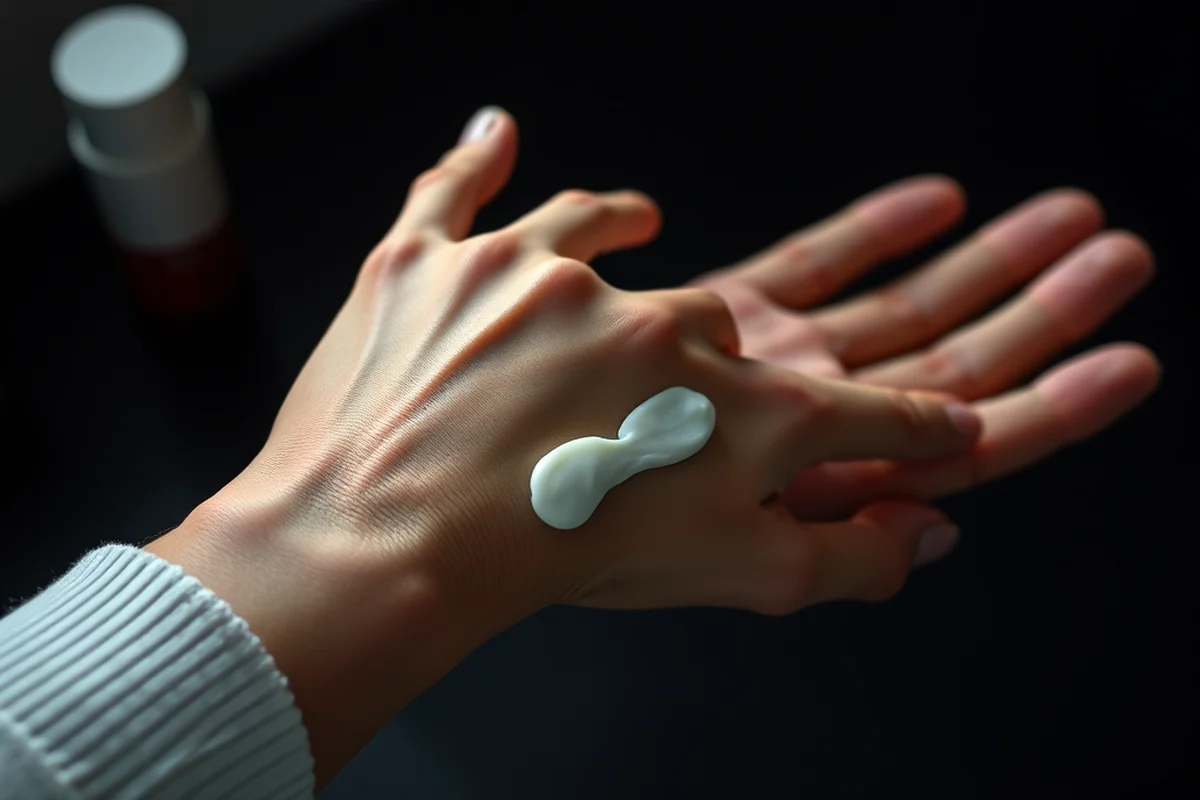
One of the biggest concerns people have is whether micro needling hurts. From my experience, it’s more like a gentle pressure than a sharp pain. The first few passes might feel slightly rough, but the sensation fades quickly as the device moves across the skin. I found that the most sensitive areas — like the cheeks and under the eyes — required a bit more care, but even there, the sensation was manageable.
I remember my first session. I had my device set to the lowest needle depth, which is recommended for first-time users. The device felt slightly rough, like it was dragging across my skin, but there was no burning or stinging. After the first session, I had a slight redness that lasted about an hour, and my skin felt slightly tight for the rest of the day. It wasn’t uncomfortable, just a reminder that my skin was working hard to heal.[2]
The key is to go slow and use the correct needle depth for your skin type. I made the mistake of increasing the depth too quickly in my second session, and it was slightly more uncomfortable. But once I adjusted to a lower setting, it became much more bearable. It’s important to listen to your skin and not rush the process — the results are worth it, but only if you take it step by step.
It’s a gentle pressure, not a sharp pain — you’ll know what to expect.
Related: Can micro needling be done at home
Related: Cheap skin needling near me
Related: Dry needling devices
Related: Micro needling tools at home
Related: Professional skin needling devices
How Long Until You See Results?
I was surprised by how quickly I started to see changes in my skin. After the first session, my skin felt tighter and smoother, but the real transformation didn’t come until the second week. I noticed that my makeup applied more evenly, and the texture of my skin had a slight glow that I hadn’t seen in months. It wasn’t dramatic, but it was noticeable — enough to make me keep going.
The full effects of micro needling take time. Collagen production is a slow process, so it can take up to three months to see the maximum results. I continued using the device every other week for three months, and by the end of that period, my skin looked more even, and the fine lines on my face had softened significantly. It’s not a quick fix, but it’s a gradual transformation that’s worth the wait.
I also found that the results were more consistent than anything I’d tried before. Unlike other treatments that require daily application, micro needling only needs to be done a few times a month. And the best part? The results continued to improve even after I stopped using the device — my skin had gotten used to the new level of care and was maintaining itself better than before.
Micro needling is a long-term investment. It may take a few weeks to see initial changes, but full results usually take a few months. Consistency is key.
“The first time I used a micro needling device, I was skeptical.”— Affordable Micro Needling Devices editors
How Much Does It Cost? Is It Worth the Price?
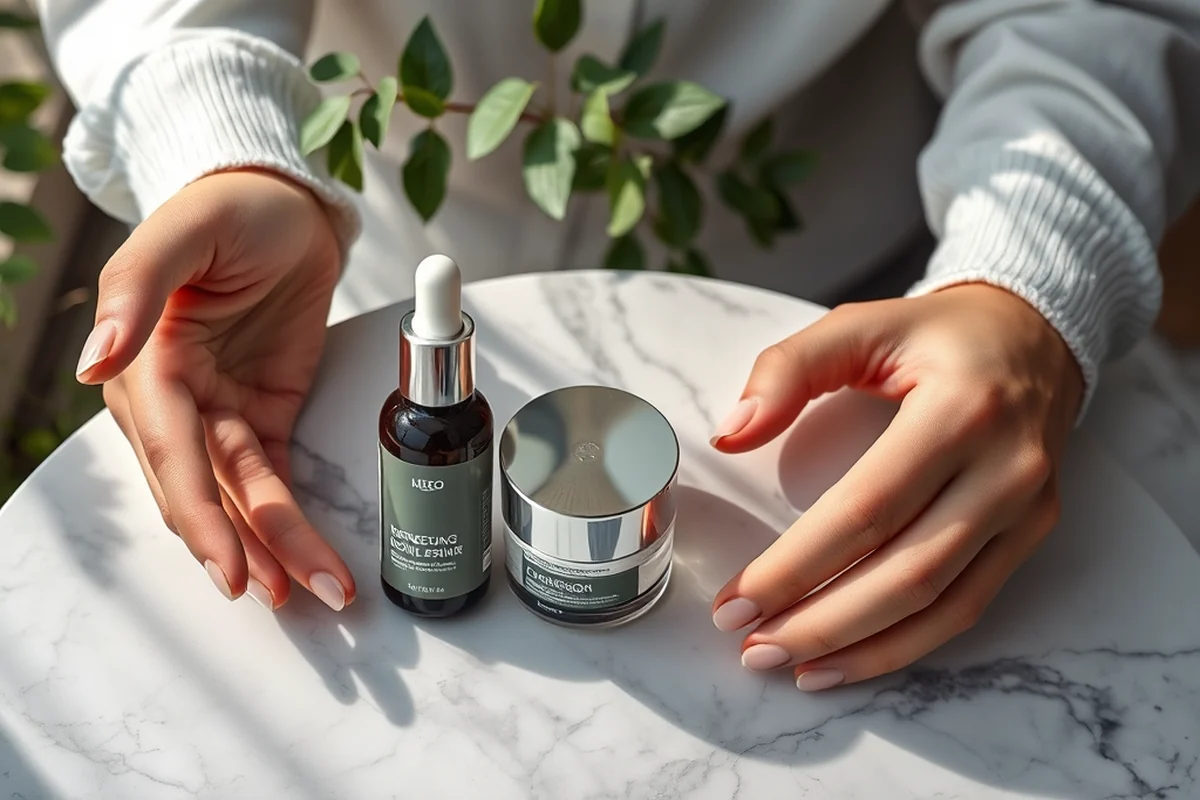
One of the biggest advantages of micro needling at home is the cost. I bought my first device for about $28, and it came with everything I needed: the device itself, a few replacement heads, and a basic guide. This was a fraction of the cost of a professional treatment, which I found out can range from $300 to $1,000 per session. It’s a small investment compared to the long-term benefits.[3]
I also found that the device was durable and lasted for months. I used mine almost every other week for three months, and it still worked perfectly. I only had to replace one of the heads after several weeks of use, and even then, it was a small cost — around $20. It’s not a one-time expense, but it’s manageable and worth it for the results.[4]
Another thing I loved about the device was that it was a long-term investment in my skin’s health. Unlike other skincare products that I go through quickly, the device was something I could use for years. And the fact that it gave me results that were comparable to professional treatments made it even more valuable. It was a small price to pay for the confidence boost and the visible improvements in my skin.
Is It Safe for All Skin Types?
I found that micro needling was safe for my skin type, which is a bit sensitive. I used it on my cheeks and jawline, areas that are usually more reactive. I didn’t experience any irritation or breakouts, which surprised me because I’m prone to sensitive skin. But it’s important to note that micro needling isn’t suitable for everyone, especially those with active acne or severe inflammation.
The device I used had different needle depths, which allowed me to adjust the intensity depending on my skin’s condition. I found that using a lower depth was better for my sensitive skin, and I avoided the areas that were more inflamed or breakout-prone. I also made sure to use a pre-treatment serum to reduce friction and enhance the healing process.
I’ve heard from others that micro needling can be a bit harsh on very sensitive or acne-prone skin, but I found it manageable with the right precautions. It’s not something to be done recklessly, but when used carefully and with the right products, it can be a safe and effective treatment for most people.
What Are the Long-Term Benefits of Needling?
I didn’t expect micro needling to have such long-term benefits, but after three months of consistent use, I noticed a significant improvement in my skin’s texture. My face looked more even, and the fine lines around my mouth had softened. It wasn’t just about the immediate results — I could see that my skin was healthier and more resilient over time.
I also noticed that my skin was less reactive to other skincare products. Before using micro needling, I found that my skin was often sensitive to new products or changes in routine. But after a few months of using the device, my skin seemed more stable and less reactive. It was like my skin had learned to adapt to the new level of care.
Another long-term benefit I noticed was the reduction in pore size. I’ve always had slightly larger pores, and they were more visible after my first few sessions. But after several months of using the device, they looked smaller and less noticeable. It was a subtle change, but it made a big difference in how my skin looked overall.
The benefits of micro needling don’t stop after the first few weeks — they continue to improve over time.
What Should You Do After a Needling Session?
One of the things I learned quickly was that after a needling session, my skin was more vulnerable. I noticed that my skin was slightly red and felt tight, which made me more cautious about what I applied afterward. It was important to avoid anything too harsh or abrasive — I stuck to gentle, hydrating products that would support the healing process.
I also made sure to avoid sun exposure for the first few hours after a session. My skin was more sensitive to the sun, and I didn’t want to risk any damage. I used a physical sunscreen with zinc oxide the next day and made sure to reapply it every few hours. It was a small but important step in protecting my skin.
Another thing I did was avoid using any products with harsh chemicals or exfoliants for the first 24 hours. I used a simple, hydrating serum that had hyaluronic acid and aloe vera, which helped my skin recover more quickly. It was a small but effective step in ensuring that my skin healed properly after each session.[5]
🌸 Sensitive Skin Routine
A gentle, low-intensity needling approach for those with sensitive or reactive skin, focusing on hydration and minimal irritation.
💰 Budget-Friendly Routine
A cost-effective, long-term needling routine that maximizes results without breaking the bank, using affordable products and devices.
🧘♀️ Minimalist Routine
A simple, no-frills needling approach that focuses on consistency and minimal product use for maximum skin benefits.
🎯 Targeted Routine
A routine that focuses on specific skin concerns like fine lines, acne scars, or uneven texture, using needling in targeted areas.
🔄 Maintenance Routine
A weekly or biweekly routine for maintaining the results of needling and keeping the skin looking healthy and smooth over time.
| The mistake | Why it happens | The fix |
|---|---|---|
| Using too high of a needle depth | This can cause unnecessary irritation, redness, and even minor scarring if not done carefully. | Always start with the lowest needle depth and gradually increase it as your skin becomes accustomed to the treatment. |
| Not cleaning the device before and after use | This can introduce bacteria to your skin and lead to breakouts or infections. | Make sure to clean the device thoroughly before each session and store it in a clean, dry place. |
| Using micro needling too frequently | Overusing the device can lead to irritation, dryness, and even skin damage. | Follow the recommended frequency — every 2-4 weeks — and allow your skin time to recover between sessions. |
| Applying makeup or other products immediately after a session | This can clog pores and interfere with the skin’s natural healing process. | Wait at least 24 hours before applying makeup or other skincare products after a needling session. |
Is Needling Worth It
Common Questions
Can I use micro needling on acne-prone skin?
How often should I use a micro needling device?
Can I use micro needling with other skincare treatments?
Does micro needling cause scarring?
Cite this guide
Affordable Micro Needling Devices (2026). Is Needling Worth It. https://toolandcare.com/is-needling-worth-it/
Feel free to cite or share this guide.
References
- Dry Needling Treatment for Knee Osteoarthritis - ClinicalTrials.gov (clinicaltrials.gov)
- Microneedling Devices: Getting to the Point on Benefits, Risks ... - FDA (fda.gov)
- Historical Documents - Office of the Historian - History State Gov (history.state.gov)
- CSV - Maryland (mgaleg.maryland.gov)
- From hypnosis to acupuncture, holistic approach works for Veterans (news.va.gov)