
Can Estheticians Do Microneedling
📖 Table of Contents
- What Exactly Is Microneedling and Who Can Perform It?
- The Training and Certification Needed for Estheticians
- What Are the Benefits of Choosing an Esthetician for Microneedling?
- The Risks of Microneedling and How Estheticians Mitigate Them
- How to Choose the Right Esthetician for Microneedling
- What to Expect During a Microneedling Session with an Esthetician
- The Long-Term Benefits of Microneedling with a Qualified Esthetician
- Make It Your Way
- Frequently Asked Questions
I remember the first time I walked into a skincare clinic and watched an esthetician perform microneedling on a client. The procedure was seamless—almost like watching a masterful dance between precision and care. At the time, I didn’t know that the esthetician had spent months training specifically for this. But what I did know was this: microneedling was a real, effective treatment, and it was being done by someone who had the right knowledge and tools. That got me thinking—can estheticians do microneedling? And if so, what does that mean for the rest of us who are looking for safe and effective skincare solutions?
Microneedling is a procedure that involves using a device with tiny needles to create micro-injuries on the skin's surface. These injuries stimulate the skin's natural healing process, leading to increased collagen and elastin production. It's a popular treatment for things like acne scars, fine lines, and uneven skin texture. But here's the thing: not just anyone can perform this treatment. It's not a DIY task, and it's not something that every skincare professional is qualified to do. So when I saw an esthetician doing it, I knew there was more to the story than just a quick fix for my skin.
What I found out surprised me. Estheticians can do microneedling, but only if they have the proper training and certification. I learned that estheticians must complete specific courses, pass exams, and often work under the supervision of a licensed dermatologist or medical esthetician. The process requires not only technical skill but also a deep understanding of the skin's biology and the potential risks involved. This knowledge is what separates a competent esthetician from an unqualified practitioner. It's a big deal—and it's why I wanted to dig deeper into exactly what it means for estheticians to be able to perform this procedure.
Why You'll Love This Guide to Microneedling by Estheticians
- Learn the truth about who can legally and safely perform microneedling treatments.
- Discover the training and certification required for estheticians to perform this procedure.
- Understand the risks and benefits of choosing an esthetician over other skincare professionals.
- Get a clear picture of what to expect during a microneedling session.
What Exactly Is Microneedling and Who Can Perform It?
As of August 2026, Microneedling is a treatment that uses a device with microscopic needles to create tiny punctures in the skin. These punctures trigger the body's natural healing process, leading to the production of collagen and elastin. This helps reduce the appearance of acne scars, fine lines, and other skin concerns. But not just anyone can do this—only trained professionals.
Estheticians who have completed the proper training and certification can legally perform microneedling treatments. In many states, they must complete at least 60 hours of training, which includes both theoretical and practical components. This training ensures they understand the skin's structure, the risks involved, and how to handle any complications that might arise.[1]
When done correctly, microneedling is a safe and effective treatment. But it's crucial to choose an esthetician who has the right credentials and experience. A qualified esthetician knows exactly how deep the needles should go, how long to leave them in the skin, and how to properly sanitize the tools. This level of expertise is what makes the difference between a good treatment and a potentially harmful one.
Before scheduling a microneedling session, make sure your esthetician has completed the required training and has the appropriate certification. This ensures that the procedure is performed safely and effectively.
Part of our Machine needle guide.
The Training and Certification Needed for Estheticians
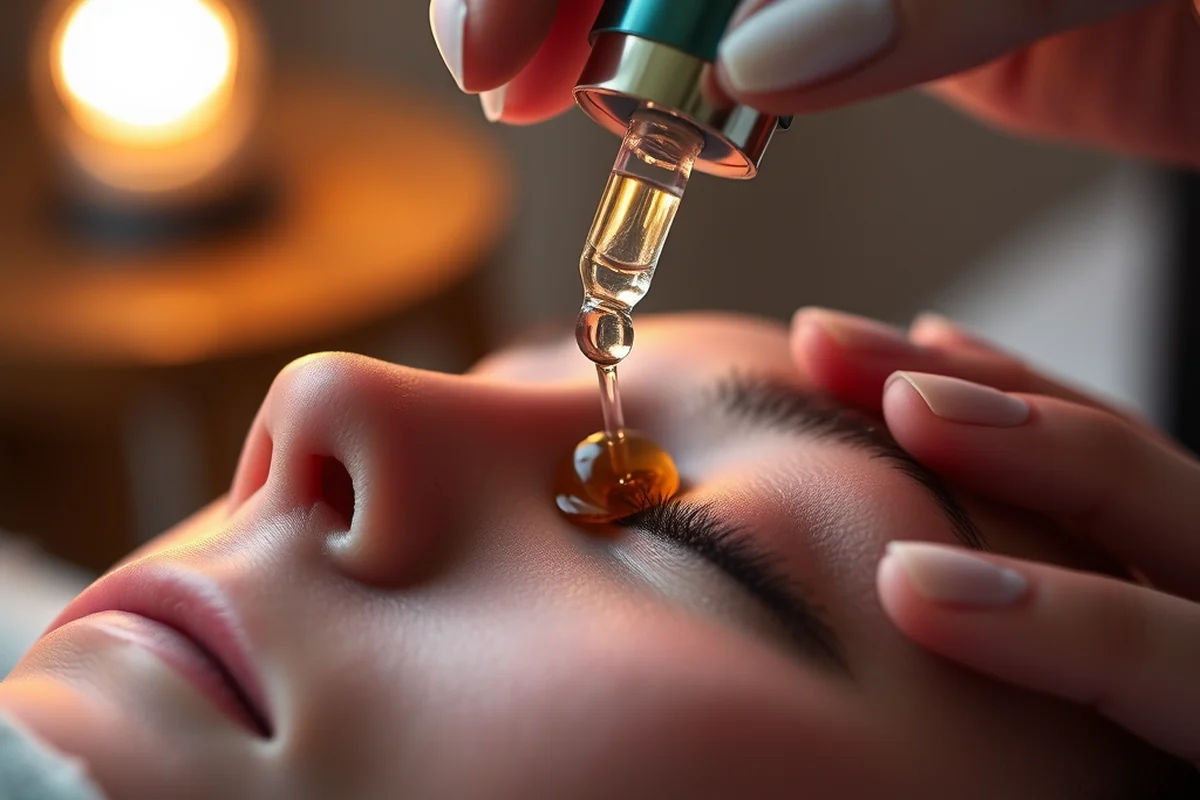
To become qualified to perform microneedling, estheticians must complete a comprehensive training program. This training typically includes both classroom instruction and hands-on practice. The curriculum covers topics like skin anatomy, the different types of microneedling devices, and the proper techniques for using them.
In addition to training, estheticians must also obtain certification. This can vary by state, but generally involves passing an exam that tests their knowledge of microneedling procedures and their ability to perform them safely. Some states require estheticians to work under the supervision of a licensed dermatologist or medical esthetician until they gain enough experience.
Note that not all estheticians are trained in microneedling. So if you're looking for this treatment, make sure your esthetician has the proper certification. This ensures that the procedure is done correctly and that the risks are minimized.
Training and certification are not just formalities—they're essential for safe and effective microneedling.
Related: Affordable microneedling
Related: Is microneedling at home worth it
Related: At home microneedling system reviews
Related: Products to use with microneedling
Related: Needle machine price
Related: Does Professional Microneedling Work
Related: What Is Cheapest Cell Phone Plans
Related: What Equipment Is Needed For Microneedling
Related: Microneedling Devices For Sale
Related: What Is The Best Price
Related: How Is A Iphone 12
Related: What'S The Best Mobile Deals
What Are the Benefits of Choosing an Esthetician for Microneedling?
One of the biggest advantages of choosing an esthetician for microneedling is the personalized care they can provide. Estheticians are trained to understand the unique needs of each client and can tailor the treatment to suit those needs. This means you can expect a more customized experience than you might get from a medical professional.
Another benefit is the cost. Microneedling done by an esthetician is typically more affordable than the same procedure done by a dermatologist or plastic surgeon. This makes it a more accessible option for people who are looking for an effective treatment without breaking the bank.
Estheticians also have the opportunity to offer ongoing care. They can provide follow-up treatments and recommend complementary skincare products that can enhance the results of microneedling. This kind of ongoing support is something that not all medical professionals offer.
When choosing an esthetician for microneedling, consider both the cost and the level of care they provide. A trained esthetician can offer personalized treatment at a more affordable price than a medical professional.
“I remember the first time I walked into a skincare clinic and watched an esthetician perform microneedling on a client.”— Affordable Micro Needling Devices editors
Related: Pro Microneedling Device
The Risks of Microneedling and How Estheticians Mitigate Them
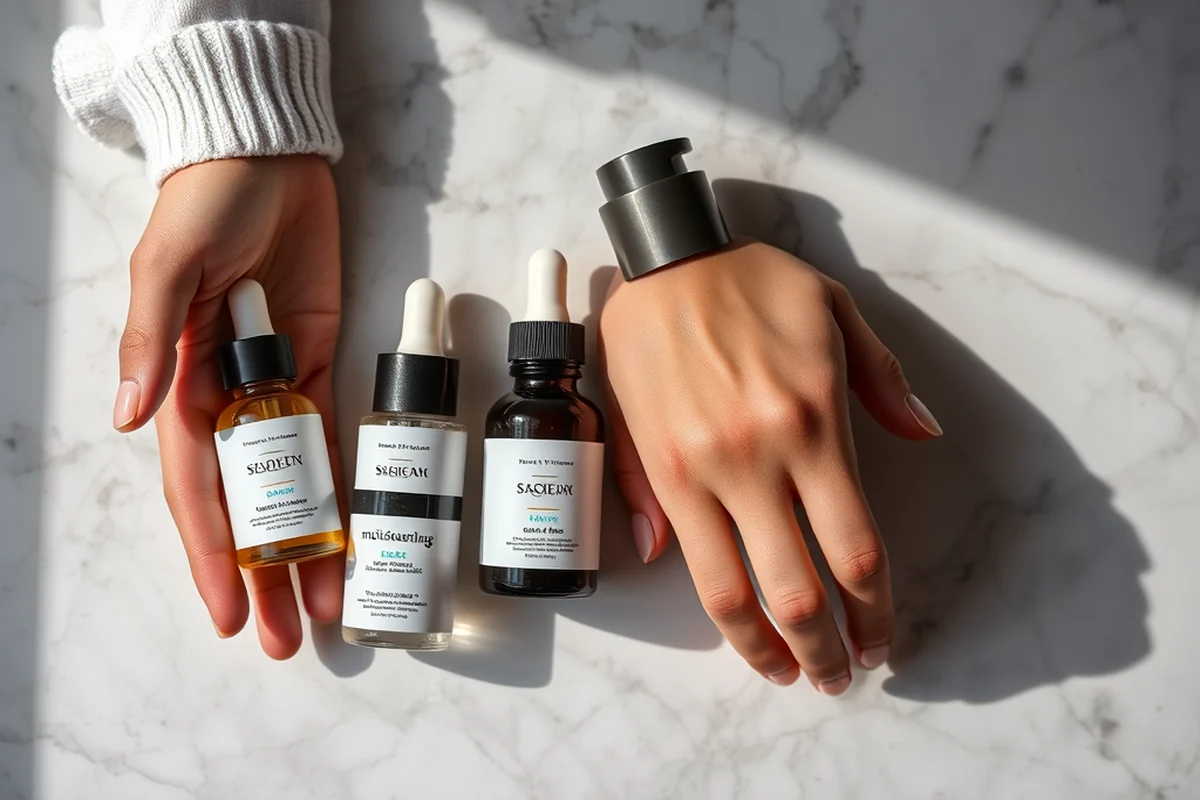
Like any skincare procedure, microneedling comes with some risks. These can include redness, swelling, and in rare cases, infection. However, trained estheticians are well-versed in how to minimize these risks. They know exactly how to sterilize the devices, how to handle the skin during the procedure, and when to stop if something goes wrong.
One of the biggest risks of microneedling is the potential for over-treatment. If the needles are left in the skin for too long or if the depth is too aggressive, it can cause damage to the skin. A qualified esthetician understands the proper technique and knows when to adjust the settings based on the client’s skin type and concerns.
Another risk is the possibility of scarring. This is rare but can happen if the procedure is not performed correctly. Estheticians who are trained in microneedling know how to avoid this by using the right tools and techniques. They also take the time to educate clients on how to care for their skin after the treatment.
How to Choose the Right Esthetician for Microneedling
When looking for an esthetician to perform microneedling, it's important to check their credentials. Make sure they have completed the necessary training and hold the appropriate certification. This ensures that they are qualified to perform the procedure safely and effectively.
Reading reviews from previous clients is also a good way to gauge the esthetician’s skill and professionalism. Look for reviews that mention the esthetician's attention to detail, the cleanliness of the clinic, and the overall experience of the treatment.
It's also a good idea to discuss the esthetician’s experience with microneedling. Ask them how long they've been doing this procedure and how many clients they've treated. This can give you a better sense of their expertise and whether they're the right fit for you.
What to Expect During a Microneedling Session with an Esthetician
During a microneedling session, the esthetician will first clean the skin thoroughly. They may also apply a numbing cream to minimize discomfort, especially if the procedure is going to be deeper. Once the skin is prepped, the esthetician will use the microneedling device to create tiny punctures on the skin’s surface.
The procedure itself is usually quick, taking between 30 and 60 minutes depending on the size of the area being treated. The esthetician will move the device across the skin in a gentle, controlled motion, making sure not to press too hard or spend too much time in one spot.
After the procedure is complete, the esthetician may apply a soothing serum or moisturizer to help calm the skin. They'll also give you detailed aftercare instructions, which are crucial for ensuring the best results and minimizing any potential side effects.
A microneedling session is a quick, painless way to improve your skin's texture and appearance.
The Long-Term Benefits of Microneedling with a Qualified Esthetician
Over time, regular microneedling sessions can lead to significant improvements in the skin's texture and tone. The micro-injuries created during the procedure stimulate the production of collagen and elastin, which help to firm and smooth the skin. This can result in a more youthful, radiant appearance.
Microneedling is also effective for treating a variety of skin concerns, including acne scars, fine lines, and uneven pigmentation. A trained esthetician can tailor the treatment to address these specific issues, ensuring that each session is as effective as possible.
One of the best things about microneedling is that it's a non-invasive procedure. Unlike more aggressive treatments like laser therapy, it doesn't damage the skin or leave it feeling raw or irritated. This makes it a great option for people who want to improve their skin without undergoing more invasive procedures.
🌸 Sensitive Skin Routine
Perfect for those with sensitive or reactive skin. This routine includes gentle techniques and post-treatment care to minimize irritation.
💰 Budget-Friendly Routine
Ideal for those looking for an effective microneedling treatment without breaking the bank. This routine offers cost-effective solutions and affordable products.
🧴 Minimalist Routine
A streamlined approach to microneedling, focusing on efficiency and simplicity. This routine is great for people with a busy lifestyle who still want to see results.
🎯 Targeted Routine
Designed for those with specific skin concerns, such as acne scars or fine lines. This routine includes customized treatments to address individual needs.
🔄 Maintenance Routine
A routine for those who want to maintain the results of their microneedling treatments. This includes regular follow-up sessions and aftercare recommendations.
| The mistake | Why it happens | The fix |
|---|---|---|
| Choosing an unqualified esthetician | This can lead to serious complications, such as infection or skin damage. | Always verify that your esthetician has completed the necessary training and holds the appropriate certification. |
| Skipping aftercare instructions | Failing to follow aftercare instructions can increase the risk of complications and reduce the effectiveness of the treatment. | Make sure to follow your esthetician's aftercare recommendations closely, including avoiding harsh skincare products and excessive sun exposure. |
| Using the wrong type of device | Using a device that is not appropriate for your skin type or concern can lead to ineffective results or skin irritation. | Consult with your esthetician to determine the best type of device for your skin and treatment goals. |
| Going too deep with the needles | Going too deep can cause damage to the skin and increase the risk of complications. | Always let your esthetician handle the device and ensure they are using the correct depth based on your skin type and concerns. |
Can Estheticians Do Microneedling
Common Questions
Is microneedling painful?
How long does a microneedling session take?
How many sessions are needed to see results?
Can I use skincare products after microneedling?
References
- Alicia Hyndman - Assembly District 29 - New York State Assembly (assembly.ny.gov)
Cite this guide
Affordable Micro Needling Devices (2026). Can Estheticians Do Microneedling. https://toolandcare.com/can-estheticians-do-microneedling/
Feel free to cite or share this guide.