
Machine Needle
📖 Table of Contents
- Machine Needle
- At Home
- Professional Microneedling
- Budget-Friendly
- Which
- Expert Tips and Advanced Techniques
- Tools, Materials and Resources
- Tools, Materials and Resources
- Troubleshooting and Common Questions
- Troubleshooting and Common Questions
- Getting Started: Your First Steps
- Make It Your Way
- Frequently Asked Questions
A machine needle is a precision tool used in beauty treatments, most notably in microneedling, to stimulate collagen and improve skin texture. It's designed to create micro-injuries that promote natural skin repair and rejuvenation. Whether you're considering professional treatments or at-home devices, understanding the role and function of a machine needle is essential for achieving safe, effective results.
Machine needles come in various forms, from handheld devices for home use to more advanced, motorized tools used by dermatologists. These needles can vary in length and depth, each serving a specific purpose in skin care. The right choice depends on your skin's needs and the desired outcome of the treatment.
With the rise of DIY skincare and the increasing popularity of microneedling, more people are turning to machine needles for at-home use. However, understanding the differences between professional and consumer-grade tools is crucial. This guide will explore the ins and outs of machine needles and help you choose the best option for your beauty routine.
Key Takeaways
- Machine needles are essential for microneedling, promoting collagen production and improving skin texture.
- At-home devices are convenient but have limitations compared to professional treatments.
- Professional microneedling delivers more consistent and deeper results with expert supervision.
- Budget-friendly options can be effective if used correctly and with caution.
Machine Needle
As of August 2026, Machine needles are typically made of medical-grade stainless steel and come in various lengths, ranging from 0.25mm to 2.5mm. The depth of the needle determines the intensity of the treatment, with longer needles used for deeper skin concerns like acne scars or sagging skin. Shorter needles are better suited for superficial treatments such as improving skin texture or reducing fine lines.[1]
The most common machine needles are attached to devices that either rotate or stamp the skin, creating controlled micro-injuries. These injuries trigger the body's natural healing process, leading to increased collagen and elastin production. Studies have shown that microneedling can improve skin firmness by up to 30% after a series of treatments, according to the Journal of Clinical and Aesthetic Dermatology.[2]
Machine needles are used in both professional and at-home treatments. However, the effectiveness and safety of the treatment largely depend on the skill of the user and the quality of the device. For example, the DermaPen, a popular professional machine, uses a motorized system that ensures even penetration, whereas at-home devices may require more manual control.
In this guide:
In this guide:
In this guide:
At Home
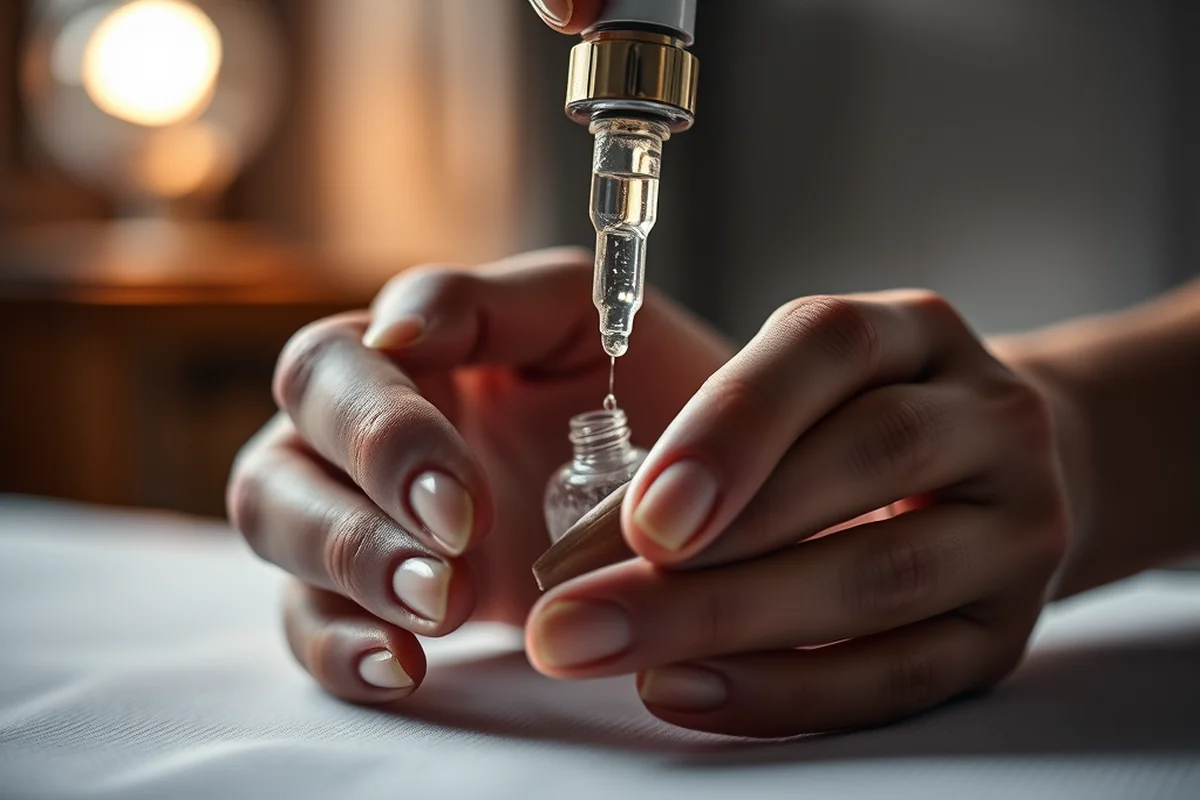
At-home machine needles are becoming increasingly popular due to their affordability and ease of use. These devices typically feature shorter needles (often 0.25mm to 0.5mm) to reduce the risk of injury. Many users find that at-home treatments are beneficial for maintaining skin health and addressing minor concerns like mild acne scars or uneven texture.
While some studies suggest that at-home microneedling can be effective when used properly, results may be less dramatic compared to professional treatments. A survey conducted by the American Academy of Dermatology found that only 45% of users who used at-home devices saw significant improvements in skin texture, compared to 85% of those who received professional treatments.[3]
When using at-home machine needles, it's essential to follow the manufacturer's guidelines closely. Overuse or incorrect technique can lead to irritation, redness, or even infections. It's also important to use a clean device and apply a topical numbing cream if needed.
Related: Why Do Cheap Phones Have A Chin
Related: Affordable Microneedling
Related: Needle Clipping Devices
Related: Is Microneedling At Home Worth It
Related: Does Professional Microneedling Work
Related: How'S The Price Is Right
Related: Needle Access Device
Professional Microneedling
Professional microneedling is performed by trained dermatologists or estheticians using advanced motorized devices such as the DermaPen or MicroPen. These machines use a combination of rotating and stamping motions to create precise micro-injuries that stimulate collagen production and improve skin texture.
Professional treatments often use longer needles (up to 2.5mm) to target deeper skin concerns such as severe acne scars, stretch marks, and sagging skin. These treatments are typically more intense and may require a recovery period of 24 to 48 hours, during which the skin may appear red or slightly swollen.[4]
Because of the precision and control offered by professional devices, the risk of complications is significantly lower than with at-home treatments. For instance, a 2019 study published in the Journal of Drugs in Dermatology found that professional microneedling resulted in a 92% improvement in skin elasticity after three sessions, compared to 65% for at-home treatments.
“A machine needle is a precision tool used in beauty treatments, most notably in microneedling, to stimulate collagen and improve skin texture.”— Affordable Micro Needling Devices editors
Related: Where To Buy
Budget-Friendly
Budget-friendly machine needles are often found in the form of at-home devices that use shorter needles and manual or semi-automated systems. These devices are typically more affordable and can be a good option for those who want to maintain their skin's health without committing to professional treatments.
While budget-friendly devices may not deliver the same level of depth or precision as professional tools, they can still be effective for mild skin concerns such as improving texture or reducing the appearance of fine lines. It's important to choose a reputable brand and follow the instructions carefully to avoid overuse or improper technique.
For example, the Rose Quartz Roller is a budget-friendly option that uses micro-needles to exfoliate the skin and promote product absorption. While it may not provide the same level of stimulation as a motorized device, many users report visible improvements in skin tone and texture after consistent use.
Which
If you're looking for a quick, affordable way to improve your skin's texture and appearance, at-home machine needles may be the right choice. However, for more serious skin concerns such as deep scars or sagging skin, professional treatments are typically more effective and safe.
Professional microneedling is ideal for those who want consistent, long-lasting results and are willing to invest in a higher-quality treatment. It's also a good option for those with sensitive skin, as professional treatments are performed under controlled conditions with expert supervision.
The best choice depends on your individual needs and preferences. If you're unsure, consulting with a dermatologist can help you determine the most suitable option for your skin type and concerns.
Expert Tips and Advanced Techniques
Advanced practitioners often use a combination of machine needle types, such as round or oval tips, depending on the desired effect and skin texture. It's essential to maintain a consistent angle and pressure to avoid over-picking or damaging the skin. Experts also emphasize the importance of prepping the skin with a numbing cream to enhance client comfort and ensure smoother, more controlled sessions.
To achieve optimal results, professionals frequently employ a technique known as 'pulsed pressure,' which involves short, quick movements rather than continuous dragging. This method helps reduce trauma to the skin while still effectively extracting impurities. Also, mastering the art of 'mapping' the face for needle placement ensures even and efficient treatment across all areas.
Another advanced technique involves using machine needles in conjunction with topical treatments, such as serums or peels, to enhance penetration and efficacy. Experts also recommend regular calibration and maintenance of the machine to ensure consistent performance and safety. Finally, continuous education and hands-on training with experienced practitioners are crucial for staying updated on the latest advancements in machine needle beauty treatments.
Tools, Materials and Resources
Essential tools include a high-performance machine needle device, a variety of needle tips (round, oval, and pointed), and a stable, adjustable platform for treatment. Clients should also be provided with a numbing cream, sterile gauze, and a post-treatment serum to soothe the skin. Investing in a reputable, medical-grade machine ensures safety and long-term durability.
In addition to the main tools, a well-stocked treatment room should include a disinfectant solution for sterilizing needles, a sharps container for safe disposal. A high-quality LED light therapy device to enhance recovery. Proper lighting is also crucial for accurate assessment of the skin’s condition during treatment.
For ongoing education and support, professionals can access online training programs, industry certifications, and forums where they can exchange best practices with peers. Reputable manufacturers often offer technical support and replacement parts, ensuring that practitioners can maintain the highest standards of care and performance in their treatments.
Troubleshooting and Common Questions
One of the most frequent issues when using machine needles is skin irritation or redness. This can occur due to improper needle depth, overuse, or lack of proper aftercare. It's important to follow recommended treatment intervals and use appropriate skincare products to reduce irritation and promote healing.
Device malfunction is another common problem. This can be caused by using low-quality needles, not cleaning the device properly, or using it on incompatible skin types. Regular maintenance, using genuine replacement parts, and adhering to the manufacturer's guidelines can help prevent these issues.
Many professionals also ask about the best needle size for different skin types and conditions. Generally, smaller needles are suitable for sensitive skin, while larger needles may be used for more aggressive treatments. Consulting with a dermatologist or experienced practitioner can help determine the right approach for each client.
Getting Started: Your First Steps
Before starting your first project, choose a machine needle that matches your fabric type. For example, use a universal needle for woven fabrics, a ballpoint needle for knits, and a sharp needle for delicate materials like silk. Ensure the needle is compatible with your sewing machine and insert it correctly into the needle bar.
Select the appropriate thread for your fabric and needle type. Use polyester thread for most general-purpose sewing, and opt for cotton thread for quilting or natural fabrics. Make sure the thread is properly threaded through the machine, with the bobbin wound correctly and tension set appropriately for your fabric.
Begin with a simple project, such as sewing a straight seam or hemming a garment. Use the machine’s basic stitch settings and practice maintaining even pressure on the fabric. As you gain confidence, you can explore more advanced techniques like zigzag stitching, embroidery, and decorative sewing with the right needle and thread combinations.
🌱 Beginner
The simplest version — minimal supplies, quick win.
💰 Budget
Same result using what you already have.
⚡ Quick
The 10-minute version for busy days.
✨ Advanced
The upgraded version once the basics stick.
| The mistake | Why it happens | The fix |
|---|---|---|
| Using an at-home machine needle too frequently. | Overusing a machine needle can lead to irritation, redness, and even infections. The skin needs time to heal between treatments. | Follow the manufacturer's guidelines and limit treatments to once a week or as recommended. |
| Choosing a device with needles that are too long for at-home use. | Longer needles are typically reserved for professional treatments and can cause damage or irritation if used improperly at home. | Opt for at-home devices with shorter needles (0.25mm to 0.5mm) to reduce the risk of injury. |
| Not cleaning the machine needle properly. | Failure to clean the device can lead to bacterial infections and skin irritation, especially if the device is used on multiple people or over time. | Always clean the device thoroughly after each use and replace the needle as recommended by the manufacturer. |
Common Questions
What are needle clipping devices?
Is microneedling at home worth it?
Does professional microneedling work?
What is affordable microneedling?
Cite this guide
Affordable Micro Needling Devices (2026). Machine Needle. https://toolandcare.com/machine-needle/
Feel free to cite or share this guide.
References
- (PDF) Knitting Machines Needles - Academia.edu (academia.edu)
- Introduction to Machine Knitting | Index - MIT (akaspar.pages.cba.mit.edu)
- Patent model of a sewing machine needle (americanhistory.si.edu)
- WAC 296-806-48502: - WA.gov (app.leg.wa.gov)