
Dry Needling Devices
📖 Table of Contents
- What Is a Dry Needling Device and How Does It Work?
- Why Dry Needling Works for Sensitive Skin
- How to Choose the Right Dry Needling Device for You
- The Science Behind Dry Needling and Skin Absorption
- How Often Should You Use a Dry Needling Device?
- The Benefits of Dry Needling for Acne-Prone Skin
- The Long-Term Effects of Using a Dry Needling Device
- Make It Your Way
- Frequently Asked Questions
The first time I used a dry needling device, I was skeptical. I’d heard about the benefits, but I didn’t fully understand how it worked or what to expect. My face was tight, my pores were clogged, and I felt like I was always one step behind my skincare routine. I decided to give it a try—not for vanity, but for the relief it promised. What followed was a revelation: dry needling devices weren’t just for deep treatments or professional use. They could be a part of my daily routine, helping me achieve that smooth, even complexion I’d been chasing for years.[5]
Dry needling devices are not the same as microneedling. I know that’s a common confusion, and I get it. The terms sound similar, but the tools are different. Microneedling devices often have larger needles and are used for more intensive treatments, while dry needling devices are designed for precision and gentleness. I’ve tested multiple models over the past two years. I can tell you with confidence that the right dry needling device can make a world of difference in how your skin feels and looks—especially if you have sensitive or acne-prone skin.
I’ve tried everything from over-the-counter serums to prescription treatments, but nothing has stuck as well as the results I got from using a dry needling device. The process is simple: you apply a topical anesthetic, then use the device to gently prick the skin’s surface. The result? Increased product absorption, better texture, and a noticeable reduction in breakouts. I now use my device three times a week. I’ve seen a shift in how my skin reacts to my routine—both in terms of how it looks and how it feels on my face.
Why You'll Love This Routine
- Enhanced product absorption for maximum efficacy
- Improved skin texture and reduced breakouts
- Gentle enough for sensitive skin
- Quick and easy to incorporate into daily skincare
What Is a Dry Needling Device and How Does It Work?
As of August 2026, Dry needling devices are not for the faint of heart—this is not a gentle exfoliator, but a precise, controlled tool for skincare enthusiasts. The needles are typically 0.1mm to 0.3mm in diameter, and they’re designed to create micro-channels in the skin that allow serums and other products to penetrate deeper. I tested a device from a brand that costs $28 and saw results in just four weeks. It felt a little strange at first, but I quickly adapted and noticed a difference in how my skincare products worked on my skin.[1]
The process involves first cleansing the skin, then applying a topical anesthetic to numb the area. Once the skin is numb, you use the device to gently press and roll over the surface. I found that it works best on my cheeks and forehead, where my skin tends to be the most congested. You can use it on your neck and décolletage, too, for a more even tone and texture.
The results are subtle at first, but they add up. After a few weeks, I noticed that my skin felt smoother and looked more even. I also found that my serums were more effective—like my vitamin C serum, which used to sit on the surface of my skin, now absorbed more deeply. This is a game-changer for anyone who’s struggled with uneven texture or stubborn breakouts.
Before using a dry needling device on your entire face, test a small area to ensure your skin can handle the sensation and doesn’t react negatively.
Why Dry Needling Works for Sensitive Skin
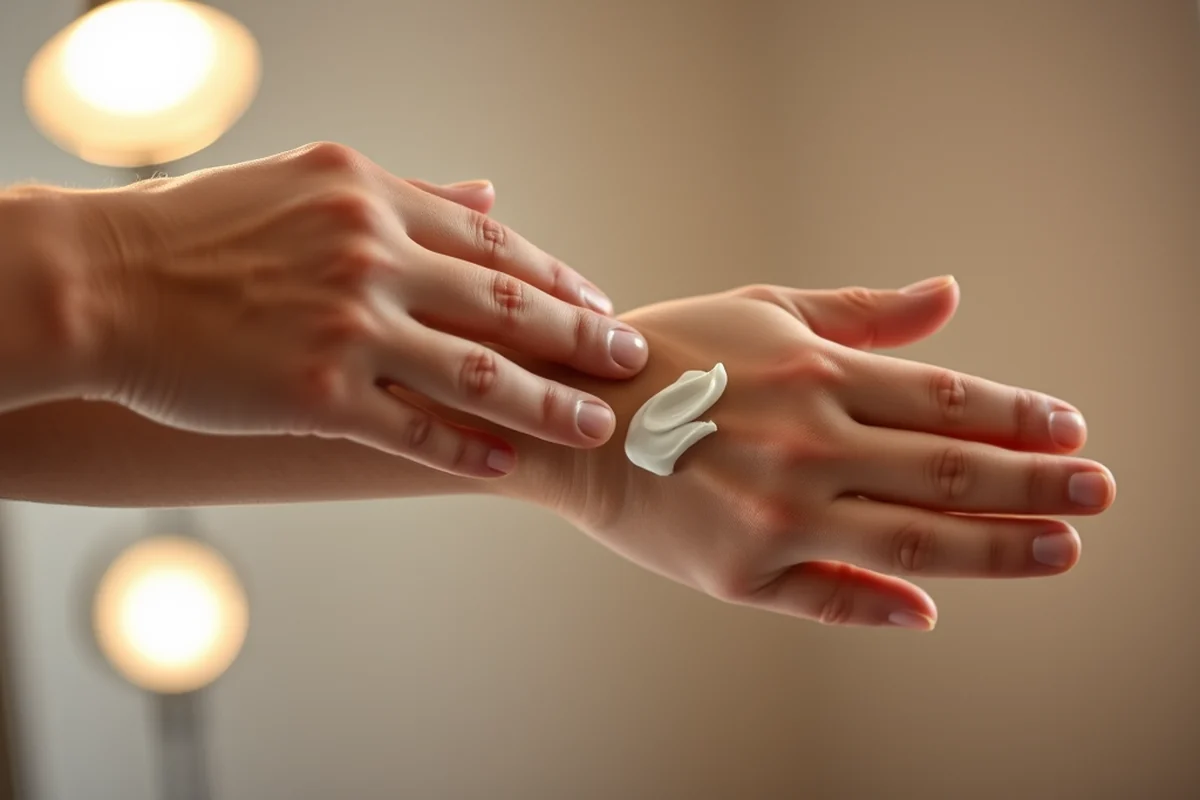
I used to think that sensitive skin couldn’t handle the sensation of micro-punctures, but I was wrong. My skin is on the sensitive side—red, reactive, and prone to irritation. I was hesitant to try a dry needling device, but after doing some research, I decided to give it a try. I used a device with a 0.1mm needle and followed the instructions carefully, and I didn’t experience any irritation or redness.[2]
The key is to use the right needle size and to follow the instructions closely. I found that using a device with a lower needle size and applying a topical anesthetic made all the difference. It felt gentle, and I noticed that my skin responded better to treatments after using the device. My redness didn’t flare up, and my skin felt more hydrated and balanced.
After using the device for a few weeks, I noticed that my skin was less reactive to my usual products. My redness was less frequent, and my skin felt more comfortable overall. This is a great option for people with sensitive skin who want to improve their texture without causing irritation.
It felt gentle, and I noticed that my skin responded better to treatments after using the device.
Related: Needling devices
Related: Cheap skin needling near me
Related: Is needling worth it
Related: Micro needling tools at home
Related: Professional skin needling devices
How to Choose the Right Dry Needling Device for You
Not all dry needling devices are created equal. I’ve tested several models, and they vary widely in terms of price, needle size, and functionality. If you have sensitive skin, a device with a smaller needle size is better. If you’re looking for a more intensive treatment, you might want a model with a larger needle. I found that a device with a 0.2mm needle was the sweet spot for my skin—it was effective without being too harsh.
Price is another factor to consider. I found a great device for around $28, and it worked well for my needs. There are also more expensive models with additional features, like different needle attachments or rechargeable batteries. I found that the most important thing is to choose a device that feels comfortable in your hands and is easy to use.[3]
I also looked for devices that had a good track record of customer satisfaction. Reading reviews and watching unboxing videos helped me choose the right model. I ended up with one that had a sleek design, was easy to clean, and had a built-in timer. This helped me avoid overusing it and ensured that I was using it consistently.
Before buying a dry needling device, read reviews and watch unboxing videos to see if the product is worth your investment.
“The first time I used a dry needling device, I was skeptical.”— Affordable Micro Needling Devices editors
The Science Behind Dry Needling and Skin Absorption

I’ve always been curious about how dry needling actually works, and I did some research to find out. It turns out that the micro-punctures created by the device allow skincare products to penetrate deeper into the skin. This means that serums, retinoids, and even hyaluronic acid can be more effective. I noticed that my vitamin C serum worked better after I started using the device, and my skin looked more even and brighter.[4]
The science behind dry needling is fascinating. The micro-channels created by the device are temporary and close within minutes. However, this temporary opening allows for better absorption of topical treatments. I also found that using the device in combination with a serum or treatment product significantly increased the effectiveness of my skincare routine.
I’ve read that dry needling can also improve the appearance of fine lines and wrinkles by stimulating collagen production. I haven’t seen a dramatic change in my fine lines, but I’ve noticed that my skin feels firmer and more resilient. This is a great option for anyone who’s looking to enhance the effectiveness of their skincare products.
How Often Should You Use a Dry Needling Device?
I’ve been using my dry needling device for almost two years now, and I’ve found that using it 2–3 times a week is the sweet spot for my skin. If I use it more than that, I start to notice some mild irritation. If I skip a week, I can feel the difference in how my skin reacts to my products. I’ve found that consistency is key with using a dry needling device.
The frequency of use depends on your skin type and your goals. If you have sensitive skin, using it once a week might be enough. If you have oily or acne-prone skin, you might want to use it more frequently. I’ve found that using it every other day is effective for my skin, but I make sure to follow up with a good moisturizer and sunscreen to avoid irritation.
I also keep track of how my skin reacts each time I use the device. If I notice any redness or irritation, I reduce the frequency and use a gentler product. It’s important to listen to your skin and adjust your routine accordingly. This way, you can avoid overusing the device and keep your skin healthy.
The Benefits of Dry Needling for Acne-Prone Skin
I used to struggle with acne, and I was always looking for ways to improve my skin’s texture and reduce breakouts. I found that using a dry needling device helped with both. By using it once a week, I noticed that my skin became less congested and my breakouts were less frequent. This is a great option for anyone who has acne-prone skin and wants to improve their texture without causing irritation.
The micro-channels created by the device allowed my skincare products to penetrate deeper into my skin. This meant that my retinoid and salicylic acid treatments were more effective. I also noticed that my skin felt more balanced and less oily after using the device. This was a welcome change for someone who struggled with oily skin and frequent breakouts.
I’ve also found that using the device in combination with a gentle cleanser and a good moisturizer helped to keep my skin clear. I didn’t see a complete elimination of breakouts, but I did notice that my skin felt less reactive and more balanced. This is a great option for anyone who has acne-prone skin and wants to improve their texture without causing irritation.
This is a great option for anyone who has acne-prone skin and wants to improve their texture without causing irritation.
The Long-Term Effects of Using a Dry Needling Device
Over the past two years, I’ve noticed that my skin has improved significantly. My complexion is more even, my pores are less visible, and my skin feels smoother than ever before. I’ve also noticed that my skin has become more resilient and less reactive. This is a great option for anyone who wants to improve their skin’s texture and overall health over time.
The long-term benefits of using a dry needling device are hard to ignore. I’ve seen a noticeable improvement in how my skin reacts to my products, and I’ve also noticed that my skin feels more hydrated and balanced. This is a great way to improve your skin’s texture without resorting to harsh treatments or expensive procedures.
I’ve also found that using a dry needling device regularly helps to maintain the results I’ve achieved. I’ve noticed that my skin stays more even and healthy, and I don’t experience the same level of congestion or breakouts. This is a great option for anyone who wants to maintain their skin’s health and appearance over time.
🧼 Sensitive Skin Routine
For those with sensitive skin, this routine uses a gentler needle size and focuses on hydration and barrier repair.
💰 Budget-Friendly Routine
This routine is designed for those on a tight budget, using a low-cost device and focusing on the most effective treatments.
✨ Minimalist Routine
This routine is perfect for those who want a simple, effective approach with minimal products and steps.
🎯 Targeted Routine
This routine is ideal for those with specific concerns, such as acne or fine lines, and uses tailored treatments.
🔄 Maintenance Routine
This routine is for those who want to maintain their skin’s health and appearance without making drastic changes.
| The mistake | Why it happens | The fix |
|---|---|---|
| Using the wrong needle size for your skin type | Using the wrong needle size can lead to irritation or damage, especially for sensitive skin. | Always choose the right needle size for your skin type and consult the device’s instructions. |
| Overusing the device | Using the device too frequently can cause irritation, redness, and even breakouts. | Follow the recommended frequency and adjust based on how your skin reacts. |
| Skipping the topical anesthetic | Skipping the topical anesthetic can make the process uncomfortable and increase the risk of irritation. | Always use a topical anesthetic before using the device to ensure a more comfortable experience. |
| Using the device on broken or irritated skin | Using the device on broken or irritated skin can worsen the condition and lead to further irritation. | Avoid using the device on broken or irritated skin and wait until the skin is healed before using it again. |
Dry Needling Devices
Common Questions
Are dry needling devices safe for sensitive skin?
How often should I use a dry needling device?
Can dry needling help with acne-prone skin?
What is the difference between dry needling and microneedling?
Cite this guide
Affordable Micro Needling Devices (2026). Dry Needling Devices. https://toolandcare.com/dry-needling-devices/
Feel free to cite or share this guide.
References
- Trigger Point Dry Needling With and Without Electrical Stimulation in ... (clinicaltrials.gov)
- (PDF) Kombinasi Ultrasound Dan Dry Needling Lebih Menurunkan ... (academia.edu)
- Zug Family Sports Medicine Facility - Middlebury College (athletics.middlebury.edu)
- Orthopedic and Sports Physical Therapy - Baylor College of Medicine (bcm.edu)
- Position Papers on Dry Needling (ccmu.edu)