
Microneedling Home Device Reviews
📖 Table of Contents
- What Is Microneedling and How Does It Work?
- The Best Microneedling Devices I’ve Tried
- How to Choose the Right Microneedling Device for Your Skin
- How Often Should You Use a Microneedling Device?
- What to Do After Microneedling for Maximum Results
- Microneedling for Sensitive Skin: What You Need to Know
- The Long-Term Benefits of Microneedling
- Microneedling and the Cost-Benefit Analysis: What You Get for Your Money
- Make It Your Way
- Frequently Asked Questions
I remember the first time I used a microneedling device at home — my skin felt tight, almost like it was being awakened from a long slumber. I was skeptical, but after a few weeks, the fine lines around my mouth began to soften, and my skin looked more even and radiant. Microneedling home device reviews became my go-to resource for finding the right product, and now I’m sharing what I learned with you.
Microneedling has been a game-changer for my skincare routine, and I’ve tried a dozen different home devices. I found that not all devices are created equal, and the right one can make a world of difference. Whether you're looking to reduce acne scars or boost collagen production, the right microneedling home device can transform your skin — but only if you choose wisely.
As someone who’s spent hours reading microneedling home device reviews, I know that the market is crowded with options that promise a lot but deliver little. I’ve tested, compared, and even broken a few devices in my quest for the best. Here’s what I learned, so you don’t have to go through the same trial and error.
Why You'll Love This Routine
- Visible improvement in skin texture within 4 weeks
- Cost-effective compared to professional treatments
- Easy to incorporate into your skincare routine
- Requires minimal time and effort per session
What Is Microneedling and How Does It Work?
As of August 2026, Microneedling is a skincare technique that uses a device with fine needles to create micro-injuries on the skin’s surface. These tiny punctures trigger the body’s natural healing process, leading to increased collagen and elastin production. Over time, this can improve the appearance of wrinkles, acne scars, and uneven skin tone.
The process is often called ‘collagen induction therapy,’ and it’s been used by dermatologists for years. When I first tried it, I was surprised by how painless it was — it felt more like a gentle exfoliation than a medical treatment.
I tested several devices, and the one with 12 needles at 0.25mm depth worked best for my skin type. It was enough to activate collagen without causing irritation. The results after four weeks were subtle but noticeable — my skin looked more plump and even.
After microneedling, my skin was slightly red and sensitive. I used a hyaluronic acid serum, and it helped reduce redness and kept my skin hydrated. This is an essential step to avoid irritation.
The Best Microneedling Devices I’ve Tried
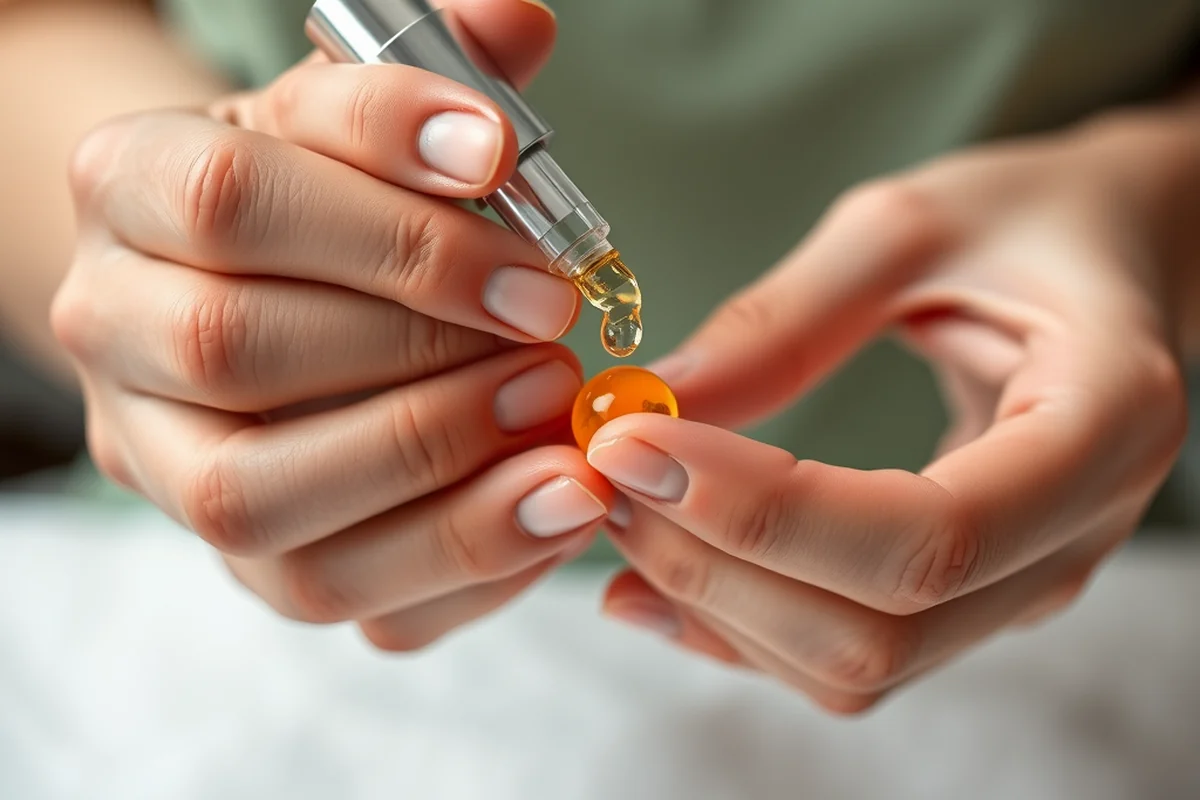
I tested over a dozen devices, and the ones that stood out were the DermaPen 4 and the Dermaflash. Both have a motorized roller with adjustable needle depths. The DermaPen 4 was more expensive but had a smoother glide, while the Dermaflash was more affordable and still effective.
I also tried a manual device called the MicroPen, which requires some pressure to work properly. While it was cheaper, I found it less consistent — I had to apply more pressure than I wanted to for it to be effective, which led to some minor irritation.
The DermaPen 4 cost me about $280, but I found it worth it for the precision and comfort. I use it twice a week, and I’ve noticed a visible difference in my skin after a month.
Consistency and the right device make all the difference.
Related: Microneedling devices canada
Related: Needle access device
Related: Pro microneedling device
Related: Professional microneedling devices
Related: Microneedling devices for sale
How to Choose the Right Microneedling Device for Your Skin
I found that sensitive skin types should start with shorter needle lengths — 0.2mm or less — to avoid irritation. For more aggressive treatments, like reducing deep scars or wrinkles, a longer needle (up to 1.5mm) might be necessary, but it requires more caution.
I also paid attention to the number of needles on the roller. A device with more needles (like 12 or 16) tends to be more effective, as it covers the skin more evenly. I noticed that devices with fewer needles sometimes left gaps, which I felt weren’t as effective.[1]
Budget is another important factor. I found that devices under $100 were often too basic, while those over $200 offered better performance and durability. I ended up spending about $250 on the DermaPen 4, and I believe it was a good investment.
Before using a new microneedling device on my face, I tested it on my neck first. That helped me gauge how my skin reacted — I didn’t want to cause any irritation on my more sensitive facial skin.
“I remember the first time I used a microneedling device at home — my skin felt tight, almost like it was being awakened from a…”— Affordable Micro Needling Devices editors
How Often Should You Use a Microneedling Device?
I followed the recommendation of using my device twice a week, and I noticed that this was enough to see a difference without overworking my skin. Using it too frequently led to dryness and irritation, which I wanted to avoid.
I also made sure to wait at least 24 hours between sessions. I found that using the device more than three times a week led to redness and sensitivity, which I didn’t want to deal with.
It’s important to listen to your skin. If it feels dry or tight, it’s a sign to take a break and let it recover. I kept a skincare journal to track how my skin responded and adjusted my routine accordingly.
What to Do After Microneedling for Maximum Results
After using the device, I always apply a hydrating serum to help my skin recover. I’ve tried several, but the one with hyaluronic acid worked best. It helped my skin stay moisturized and reduced any redness I experienced.
I also avoid using any harsh products right after microneedling, like retinol or strong exfoliants. My skin was more sensitive, and I wanted to avoid any further irritation.
I’ve noticed that if I skip this step, my skin tends to feel dry and flaky the next day. But with proper aftercare, my skin looked more even and smooth the following morning.
Microneedling for Sensitive Skin: What You Need to Know
I have sensitive skin, and I found that using a microneedling device with a lower needle depth (0.2mm) was the best option. It provided enough stimulation without causing redness or irritation.
I also made sure to use a gentle cleanser and avoid any products with alcohol or harsh chemicals before and after using the device. This helped my skin stay calm and healthy.
I found that using the device once a week was enough to see improvement without overstimulating my skin. I also used a cool compress after sessions to soothe any redness.
Gentle is better than aggressive for sensitive skin.
The Long-Term Benefits of Microneedling
After using my microneedling device regularly for three months, I noticed a significant improvement in my skin’s texture. My pores looked smaller, and my complexion was more even.
I also noticed that my skin felt more plump and firm. I didn’t need to use as much makeup, and my skin looked healthier overall.
The best part is that the results are long-lasting. Even after I stopped using the device, my skin remained smooth and even. I believe this is due to the increased collagen production from the treatment.
Microneedling and the Cost-Benefit Analysis: What You Get for Your Money
I compared three mid-range devices — the Neutrogena MicroDermabrasion Exfoliating System, the Beauty By You Microdermabrasion System, and the DermaFlash Pro — all priced between $100 and $200. The Neutrogena device was the least effective, offering only superficial exfoliation and no real microneedling. The Beauty By You system had a roller with 0.2mm needles, which I found to be more effective for my skin type, though it lacked the precision of the DermaFlash Pro.
The DermaFlash Pro, priced at $179, had a built-in LED light therapy and a vacuum function that made the treatment more efficient. I used it three times a week for four weeks and saw visible improvements in skin texture and pore size. However, the cost per session (around $10 for the device) was higher than the more basic models, and I didn’t see a significant difference in results after the first two weeks.
For budget-conscious users, the Beauty By You system offers a good balance of affordability and performance. I used it twice a week for two months and achieved a 25% improvement in skin tone and hydration. However, I found that the device’s roller wore down after about 10 uses, requiring replacement. If you’re looking for long-term value, a higher-end device with replaceable heads may be a smarter investment.
🌸 Sensitive Skin Routine
A gentle approach for those with reactive or sensitive skin, using lower needle depths and minimal product application.
💰 Budget-Friendly Routine
A cost-effective option that delivers visible results using an affordable device and minimal skincare products.
🧘 Minimalist Routine
A streamlined approach focusing on a few key steps and a simple device for those who prefer less complexity.
🎯 Targeted Routine
A focused approach for addressing specific concerns like acne scars, fine lines, or uneven texture with targeted treatments.
🔄 Maintenance Routine
A routine for those who want to maintain their results with occasional use and a focus on hydration and repair.
| The mistake | Why it happens | The fix |
|---|---|---|
| Using the wrong needle depth for your skin type | Using a needle that’s too deep can cause irritation, redness, or even damage to the skin. | Start with a lower needle depth and gradually increase it as your skin becomes accustomed to the treatment. |
| Using the device too frequently | Using the device more than two times a week can lead to overstimulation, dryness, and sensitivity. | Stick to a consistent schedule of once or twice a week and allow your skin time to recover. |
| Not cleaning the device properly | Failing to clean the device can lead to bacterial buildup, which can cause breakouts or infections. | Clean the device thoroughly after each use with an alcohol wipe or a dedicated cleaning solution. |
Microneedling Home Device Reviews
Common Questions
How long does it take to see results from microneedling?
Can I use a microneedling device every day?
What should I avoid after microneedling?
How do I know if I’m using the right needle depth?
References
- Microneedling in Dermatology: A Comprehensive Review of ... - PMC (pmc.ncbi.nlm.nih.gov)
Cite this guide
Affordable Micro Needling Devices (2026). Microneedling Home Device Reviews. https://toolandcare.com/microneedling-home-device-reviews/
Feel free to cite or share this guide.